The 2026 odometer rollback numbers, why the fraud is surging, and the exact red flags that catch a tampered car before your money is gone.
A rolled-back odometer is one of the few used-car scams that pays for itself instantly: knock 40,000 miles off the display and a seller adds thousands to the asking price, while you inherit a car that is more worn, closer to expensive repairs, and worth less than you paid. It used to take a mechanic and a screwdriver. Now it takes a cheap plug-in tool and a few minutes, which is exactly why the latest numbers are heading the wrong way. Here is what the 2026 data shows, and how to spot a tampered car yourself.
The Short Version
Odometer fraud is rising fast. Carfax estimates about 2.45 million vehicles on US roads now have rolled-back odometers, a 14% jump in a single year, and the average buyer of one loses around $3,300 in value before repair costs. Digital dashboards made tampering cheaper and harder to see, so the old advice to “just eyeball the mileage” no longer works. Your defense is a vehicle history report cross-checked against the federal title database, a look for wear that does not match the miles, and an independent pre-purchase inspection.
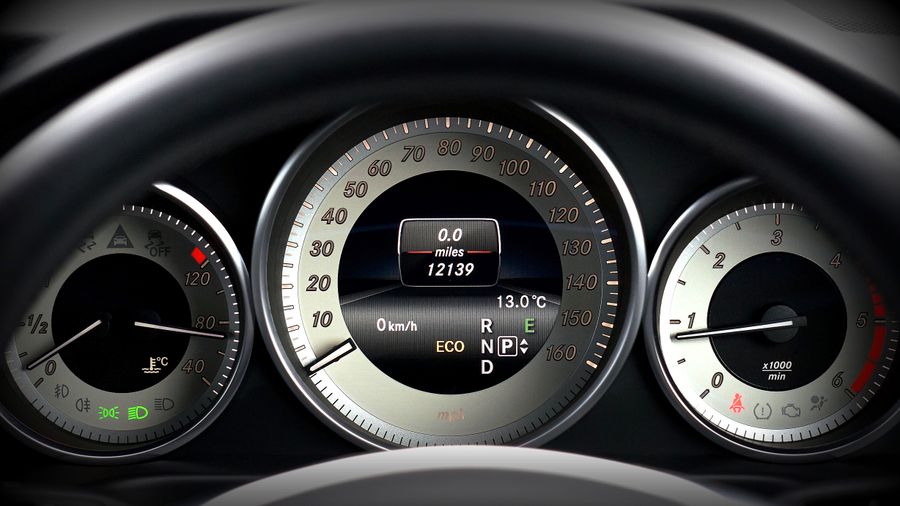
Table of Contents
Odometer fraud by the numbers in 2026
The headline figure comes from Carfax’s December 2025 analysis: roughly 2.45 million vehicles on US roads are suspected of having rolled-back odometers. That is a 14% increase in a single year, and the acceleration is the worrying part, because the jump from 2023 to 2024 was only 4%. The problem is not plateauing, it is speeding up.
The cost lands on buyers. Carfax puts the average value loss on a rolled-back car at about $3,300, and that is before the higher maintenance and breakdown risk that comes with a car that has secretly done far more miles than it claims. The federal picture is worse still: the National Highway Traffic Safety Administration has long estimated that more than 450,000 vehicles are sold each year with false odometer readings, costing American buyers over $1 billion annually, according to NHTSA’s odometer fraud guidance. Some states are hit harder than others, with Carfax reporting the sharpest recent increases in Montana, Tennessee, Arkansas, and Oklahoma.

Why rollbacks are surging
The cause is technology, not a crime wave of new criminals. Older cars stored mileage on a mechanical dial that was fiddly to alter. Modern cars store it digitally in the instrument cluster and other modules, and inexpensive “mileage correction” tools that plug into the diagnostic port are sold openly online. A rollback that once took effort now takes minutes and leaves no obvious physical trace on the dashboard.
That shift matters for buyers because the visual tells are gone. You can no longer count on misaligned dial numbers or a scratched cluster. A digitally altered odometer looks factory-perfect, which is why the fraud has moved from something you could sometimes see to something you have to verify with records and inspection.
Red flags in a vehicle history report
A history report is your first line of defense, but only if you read it for inconsistencies rather than a green checkmark. Watch for these:
- Mileage that goes backward or stalls. The clearest sign is a later record showing fewer miles than an earlier one, or a car that logged thousands of miles a year then suddenly “drives” almost none.
- Service or inspection readings that outrun the dash. An oil-change or emissions record listing higher mileage than the odometer shows today is a direct contradiction.
- Out-of-state title jumps. A title that hops between several states in a short time can signal “title washing” used to hide a mileage or salvage brand.
- A “not actual mileage” title brand. If the title itself is branded not-actual-mileage or exceeds-mechanical-limits, the fraud is already on record.
- Thin or gappy history. Long stretches with no records are not proof of fraud, but they remove the paper trail you need to catch it.

How to protect yourself before you buy
Records catch most rollbacks, and a physical check catches the rest. Run this checklist before money changes hands:
- Pull a history report and cross-check it. Order a Carfax or AutoCheck report, then confirm it against the federal title system at NMVTIS, an inexpensive check that aggregates state DMV and title data, including odometer brands.
- Match wear to the miles. A car claiming low mileage should not have worn pedal pads, a shiny-smooth steering wheel, a sagging driver’s seat, or heavily chipped paint. Wear that outpaces the number is a loud warning.
- Compare the dash to the documents. Check the odometer against the mileage on the title, the last inspection sticker, and any service receipts the seller has.
- Get an independent pre-purchase inspection. A mechanic you choose, not the seller’s, can spot wear and component age that contradict the stated mileage.
- Be wary of curbstoners and cash-only pressure. Private sellers who move many cars, dodge questions about history, or push for a fast cash deal are worth walking away from.
If you suspect a rollback after buying, you can report it to your state DMV and to NHTSA, and odometer fraud is a federal crime with real penalties. For the paperwork side of a used purchase, our guide to registering a used car when the DMV rejects your VIN covers the title checks that often surface these issues.
This article is general information, not legal or financial advice. Laws on odometer disclosure, title branding, and fraud remedies vary by state and change over time, so consult your state DMV, a qualified attorney, or NHTSA for guidance on your specific situation.
The Bottom Line
Odometer fraud is not a fading old-car problem. It is growing at 14% a year, hiding inside factory-clean digital dashboards, and costing buyers thousands each. The number on the dash is now just a claim, so treat it like one. Pull a history report and cross-check it against the NMVTIS title database, make sure the car’s wear matches its miles, and pay for an independent inspection before you commit. Those three steps catch the overwhelming majority of rollbacks. For more used-car and ownership guidance, browse YouGottaRead’s Autos section.
Frequently Asked Questions
How common is odometer fraud in 2026?
More common than most buyers assume. Carfax estimates about 2.45 million vehicles on US roads have rolled-back odometers, a 14% increase in a year. NHTSA has long estimated more than 450,000 vehicles are sold annually with false readings, costing buyers over $1 billion. The trend is accelerating, largely because digital odometers are easier to tamper with.
How much does a rolled-back odometer cost the buyer?
Carfax puts the average value loss at around $3,300 per affected vehicle, and that is only the resale hit. On top of it, you face higher maintenance costs and breakdown risk because the car has actually traveled far more miles than the dash shows, meaning worn parts fail sooner than you would budget for.
Can you tell if a digital odometer has been rolled back?
Not by looking at the dashboard, which is why records matter. A digitally altered odometer usually looks perfect. Instead, compare the reading against a vehicle history report and the NMVTIS title database, check whether physical wear matches the miles, and get an independent mechanic’s inspection to flag inconsistencies.
What is NMVTIS and is it free?
NMVTIS is the National Motor Vehicle Title Information System, a federal database that pulls title, brand, and odometer data from state DMVs. Checking it is not free through the government portal itself, which lists approved low-cost providers, but it is inexpensive and covers title and odometer brands that a single commercial report can miss, so it is worth cross-checking.
Is odometer rollback illegal?
Yes. Rolling back an odometer or selling a car with a known false reading is a federal crime under US law, alongside state penalties. If you believe you bought a tampered vehicle, report it to your state DMV and NHTSA, and consider consulting an attorney, since you may have a claim against the seller.