The hardest part of a gym membership is often not the workout, it is the escape. You sign up in January, life happens by March, and the year-long contract keeps drafting your account while you argue with a cancellation form that seems designed to defeat you. It sours people on fitness before they ever build the habit. The good news is that the twelve-month contract is now optional, and plenty of ways to train ask for nothing more than the month, the class, or the day you actually use.
The best gym membership alternatives with no contract let you pay as you go, cancel with a month’s notice or less, and switch when your routine changes, instead of locking you into a year. From flexible monthly gyms to credit apps and simple day passes, here are nine options that keep your commitment as short as you want it, with the trade-offs spelled out.
The 9 Alternatives at a Glance
- Month-to-month gyms: pay monthly, cancel with notice.
- ClassPass: credits to use across many studios.
- Wellhub: gym access through your employer.
- Boutique class packs: buy a bundle of classes.
- Day passes: pay once per visit.
- Punch-card passes: a set number of prepaid visits.
- YMCA or rec center: month-to-month and often cheaper.
- Fitness apps: train anywhere, cancel anytime.
- Free outdoor training: no membership at all.
Why “No Contract” Matters More Than the Price
A low monthly rate is not a bargain if you cannot leave. Traditional gym contracts lock you in for a year with early-termination fees, and even after the term they can be hard to cancel, which is why cancellation complaints are so common. A no-contract option flips that: you pay for the current period and stop when you want.
Read the fine print anyway, because even a month-to-month plan often needs written notice, commonly around thirty days, and some gyms add an annual maintenance fee on top. The alternatives below range from flexible gyms to pay-per-visit passes, so match the commitment to how consistently you actually train.
1. A Month-to-Month Gym Membership
The simplest fix is a gym that offers a true month-to-month plan. Chains like Crunch, Planet Fitness, and Blink, along with many independent gyms, sell no-contract memberships that you can pause or cancel with notice, typically for somewhere in the range of ten to sixty dollars a month depending on the gym and amenities.
You get the full gym experience without the year-long lock-in, which is ideal if you want equipment and space rather than classes. Just confirm the notice period and whether an annual fee applies before you sign, since those are the details that turn a flexible plan rigid.
2. ClassPass
ClassPass is the flexible pick if you like variety. It runs on a credit system, giving you a monthly bundle of credits you spend on classes and gym visits across many participating studios and gyms, with starter plans commonly beginning around nineteen dollars a month and scaling with how much you use it.
There is no single-gym commitment, you can pause the plan, and it shines for trying yoga, spin, and boutique studios you would never join individually. The catch is that popular classes cost more credits, so heavy users can find it pricier than one gym, but for exploring without a contract it is hard to beat.
3. Wellhub
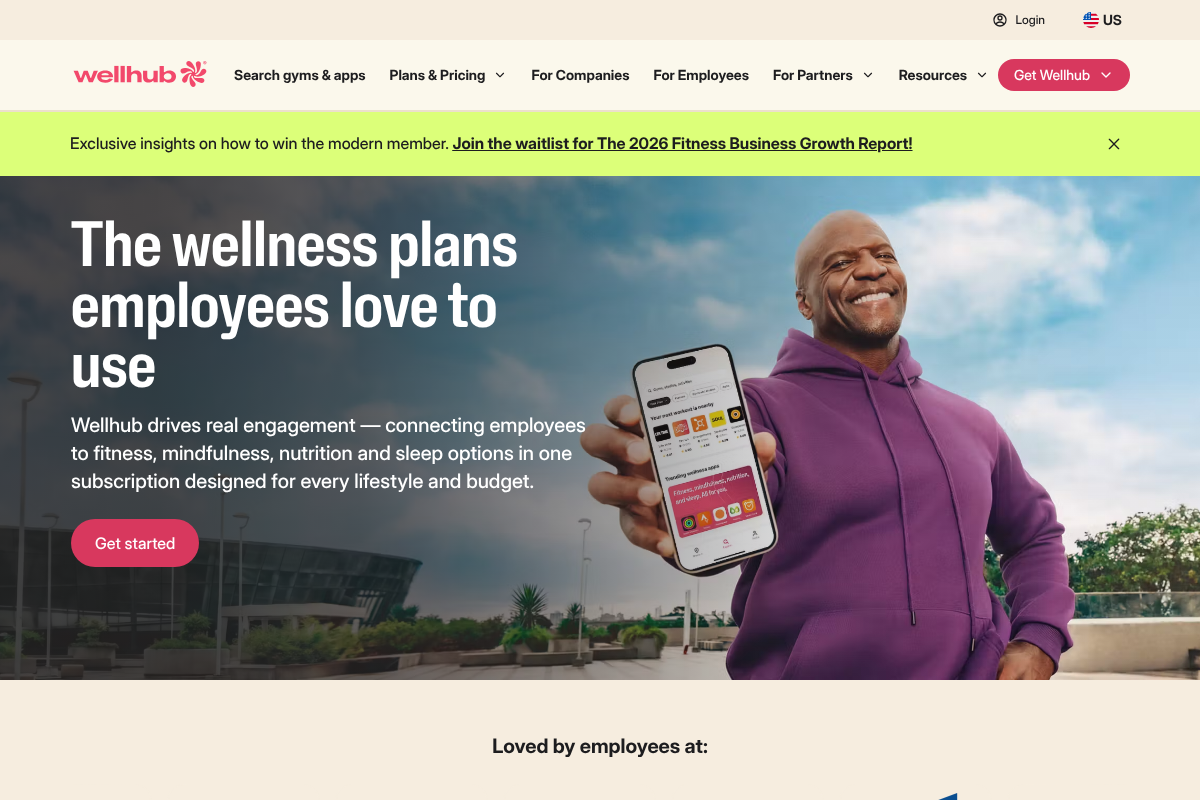
Wellhub, formerly Gympass, is worth checking if your employer offers it. It bundles access to a wide network of gyms, studios, and apps into a single flexible membership, usually as a workplace benefit, so you can visit many facilities without committing to any one of them.
Because it is employer-linked, the plans, price, and available gyms depend on whether your company participates, so it is not something everyone can simply buy. If yours does offer it, though, it is one of the most flexible and cost-effective ways to train across many locations with no contract of your own.
4. Boutique Studio Class Packs
If you prefer a specific style, a class pack skips membership entirely. Many yoga, pilates, spin, and strength studios sell bundles of five or ten classes that you buy once and use at your own pace, often with a generous window to redeem them, and no recurring charge at all.
The per-class cost is higher than an unlimited membership, but you pay only for what you attend, which suits an every-so-often schedule. Class packs are the answer when you love one studio’s classes but do not want a monthly bill tying you to it.
5. Day Passes
For the lowest commitment possible, a day pass buys you a single visit. Most gyms sell one, commonly in the fifteen to thirty dollar range, and it is perfect for travelers, occasional gym-goers, or trying a place before you commit to anything longer.
Booking apps and some gyms’ own sites make day passes easy to buy on demand, though not every gym offers them, so call ahead when traveling. If you train only now and then, paying per visit can genuinely cost less than a membership you rarely use.
6. Punch-Card and Multi-Visit Passes
A punch card sits between a day pass and a membership. You prepay for a set number of visits, say ten, and use them within a timeframe, which lowers the per-visit price compared with single passes while keeping you free of any ongoing subscription.
This works well for a predictable but light routine, like a couple of sessions a week for a season. When the visits run out, you decide whether to buy more, so there is never a recurring charge quietly draining your account.
7. A YMCA or Community Recreation Center
Community options are easy to overlook and often the best value. A YMCA or a municipal recreation center usually offers month-to-month membership you can join and leave anytime, frequently at a lower cost than a commercial gym, with pools, courts, and classes included.
These centers tend to be family-friendly and community-minded rather than flashy, and financial assistance is sometimes available. If you want a full facility without a contract or a hard sell, your local rec center or Y is worth a visit before the big chains.
8. Fitness Apps You Can Cancel Anytime
If a building is not the point, an app removes the contract and the commute. Services like Apple Fitness+, the Peloton App, and Nike Training Club offer guided workouts you can do at home or anywhere, on a cancel-anytime monthly basis, and some, like Nike Training Club, are free.
You trade a gym’s equipment and social energy for total scheduling freedom and a much lower cost. For bodyweight, mobility, and follow-along classes, an app is a genuine no-contract alternative, and it pairs well with occasional day passes when you do want the weights.
9. Free and Outdoor Training
The ultimate no-contract option costs nothing. Running, bodyweight circuits, a local calisthenics park, a pull-up bar, and free community fitness meetups can build real strength and endurance with zero membership and no cancellation form to fight later.
It asks more self-direction and offers no climate control or machines, so it suits the disciplined and the warm-weather months better. But as a way to stay fit with absolute flexibility, or to bridge the gaps between passes, free outdoor training belongs on any no-contract list.
This is general fitness and consumer information, not medical or financial advice. Check with a doctor before starting a new exercise routine, especially if you have any health conditions. Membership terms, notice periods, fees, and prices vary by provider and location and change over time, so read the cancellation terms and confirm current pricing before you sign up for any option here.
Frequently Asked Questions
What are the best gym membership alternatives with no contract?
Month-to-month gyms like Crunch and Planet Fitness give full access with no year lock-in, ClassPass offers credits across many studios, and Wellhub provides flexible access through an employer. For lighter use, boutique class packs, day passes, and punch cards charge only for what you attend, while fitness apps and free outdoor training remove the contract entirely.
Do any gyms let you cancel anytime with no fee?
Yes, many month-to-month plans allow cancellation without an early-termination fee, though they often require written notice of around thirty days and some charge a small annual fee. Community centers and pay-per-visit options avoid ongoing commitments altogether. Always read the cancellation terms first, since “no contract” still varies in how much notice it demands.
Is ClassPass cheaper than a gym membership?
It depends on how much you use it. ClassPass starts around nineteen dollars a month for a small credit bundle, which can be cheaper than a gym if you go occasionally and value variety. If you train frequently, a single month-to-month gym is usually cheaper, since popular ClassPass classes consume more credits and costs rise with use.
Month-to-month gym vs day passes: which is better?
A month-to-month gym is better if you train several times a week, since the flat monthly cost beats paying per visit. Day passes win if you go rarely or are traveling, because you pay only for the days you show up. Add up your realistic weekly visits and compare, since the break-even point is usually a few visits a month.
Can I stay fit without any gym membership at all?
Absolutely. Free outdoor training, bodyweight circuits, running, and a low-cost or free fitness app can build strength and endurance with no membership. Occasional day passes cover the times you want machines. Many people combine an app for home workouts with a punch card or day pass for the gym, keeping their fitness fully flexible and contract-free.
The Bottom Line
A year-long contract is no longer the price of getting in shape. Match the commitment to your habit: a month-to-month gym or the YMCA for regular training, ClassPass or class packs for variety, day passes and punch cards for occasional visits, and apps or the outdoors for total flexibility. Whatever you choose, read the cancellation terms so “no contract” really means it. For more on training smart and dodging recurring charges, browse YouGottaRead’s Sports section, including our guide to treadmill alternatives for small apartments, and our take on subscription cancellation traps that keep charging you.