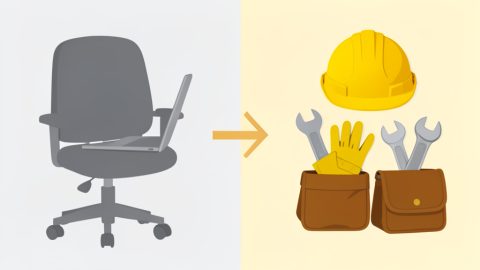
A simple plea keeps popping up under studio casting announcements: give other artists a chance, it does not have to be a celebrity. It sounds small, but it captures a frustration that has been building for years, and lately it has grown loud enough that the industry is hearing it.
The celebrity casting backlash aimed at studios is really an argument about who gets to bring characters to life. As big animated projects and splashy cameos increasingly go to famous names, trained voice actors and their fans are asking whether craft is being pushed aside for star power. Here is why studios keep reaching for celebrities, why the pushback is intensifying, and the nuance that gets lost when the debate turns into a shouting match.
There are real arguments on both sides, which is exactly why this keeps flaring up.
The Short Version
Studios often cast celebrities in animated and voice roles because famous names help market a film and draw an audience. Critics argue this locks skilled, career voice actors out of major work and can produce weaker performances, since voice acting is a specialized craft. The backlash grew louder in 2026 around cases of established voice actors being replaced. The fairest read is that star casting works when it fits the role and fails when it is purely a marketing stunt.
Why Studios Reach for Celebrities
The logic is commercial, and it is not irrational. A famous name on a poster and in the trailer gives a film instant recognition, a hook for the marketing campaign, and a star who can carry a press tour. For an expensive animated release competing for family attention, that visibility can feel like insurance.
There is also a long history of it working. Some celebrity voice performances have become beloved parts of film history, proof that a star who genuinely commits to the booth can be magic. Studios point to those wins to justify the strategy, even when the average result is more mixed.
Why Fans and Professionals Push Back
The counterargument is about craft and access. Voice acting is a distinct skill, and career professionals arrive with technique, research, and range built over years, while a celebrity may bring enthusiasm without the same foundation. When the fit is wrong, the performance can feel flat or, worse, distractingly recognizable, pulling you out of the character.
The access problem cuts deeper. Every marquee role handed to a famous outsider is one fewer for the specialists who have trained for exactly that work, an imbalance laid out in pieces like this one from The Conversation. Fans increasingly see it as a talent pipeline being starved to serve a marketing plan.
The Case That Reignited the Debate
A high-profile 2026 flashpoint gave the argument a face. Voice actor Matthew Lillard, long associated with Shaggy in the Scooby-Doo franchise, spoke out about the industry favoring celebrities over established voice performers. His frustration had roots: he was replaced in the role for Warner Bros.’ 2020 animated film Scoob!, with a bigger comedic name cast instead, a saga recapped by outlets like Voice Actors News.
There is a hopeful coda. Lillard returned to voice Shaggy for a newer Scooby-Doo project, a reminder that studios do sometimes course-correct when the audience makes its preference clear. His public stance turned a personal grievance into a rallying point for the wider voice-acting community.
When Celebrity Casting Actually Works
It would be lazy to treat every famous voice as a mistake, because the honest answer is that it depends. Celebrity casting succeeds when the actor is genuinely right for the character and puts in the work, disappearing into the role rather than coasting on recognition.
It fails when the name is the only reason they are there. The difference a viewer feels is between a performance and an appearance. That is why the smartest version of the criticism is not “never cast a star,” but “cast for the role, not the marketing.”
What the Backlash Is Really Asking For
Strip away the anger and the demand is reasonable. Fans and professionals want two things: a fairer shot for trained performers, and casting decisions driven by fit rather than follower counts. Blacklisting famous actors is not the ask.
That pressure is already nudging the industry. Studios are more aware than ever that audiences notice and comment on these choices, and a well-known voice actor kept in a signature role, or a talented newcomer given a break, now earns goodwill that a stunt cast can squander. The backlash, at its best, is a request for balance.
Frequently Asked Questions
Why do studios cast celebrities in animated movies?
Mainly for marketing. A famous name boosts recognition, anchors trailers and posters, and provides a star to headline the press tour, which studios see as helping an expensive animated film stand out and draw an audience.
What is the problem with celebrity stunt casting?
Critics say it can sideline trained voice actors and produce weaker performances, since voice acting is a specialized skill. Recognizable celebrity voices can also break immersion, and each big role given to a star is one fewer for career professionals.
What did Matthew Lillard say about the debate?
Lillard, long tied to voicing Shaggy, criticized the industry for favoring celebrities over established voice actors. His comments carried weight because he had been replaced in the role for a 2020 animated film, and they became a rallying point for voice actors.
Does celebrity voice casting ever work well?
Yes. When a celebrity is genuinely suited to the character and commits to the craft, the results can be excellent and memorable. The criticism is aimed at casting driven purely by fame rather than fit for the role.
What are fans actually asking studios to do?
They want trained voice actors given a fairer chance, and performers chosen for how well they suit a role rather than for star power or social following. A total ban on famous actors is not the goal.
The Bottom Line
The celebrity casting backlash is not really anti-star; it is pro-craft. Fans have watched skilled voice actors lose signature roles to bigger names and are asking, reasonably, for casting that serves the character first. Star power can be a gift when it fits and a distraction when it does not, and the loudest version of this debate simply wants studios to tell the difference. For more on the industry and the choices behind the movies, browse YouGottaRead’s Movies section, including our look at a major franchise’s casting and press push.