


A photo of a freshly shaved cat, posted with the kind of gallows humor the internet does best, got a lot of laughs before the backstory landed. The fur was gone because a vet needed to treat a wound. The joke was covering something that happens to outdoor cats far more often than people realize.
When the shaved-cat post went viral, the punchline gave way to a real conversation about cat shot and shaved new look outdoor safety, and what roaming cats are actually exposed to. Behind one darkly funny image sits a genuine issue: cats that spend time outdoors face a long list of hazards, and being deliberately harmed is only one of them. The good news is that most of these risks can be reduced with a few practical choices.
So it is worth using the moment to talk about what actually threatens outdoor cats, and how to keep them safer.
At a Glance
Outdoor cats face real dangers, including traffic, deliberate harm from air or pellet guns, predators, poisons, disease, and simply getting lost. Animal-welfare groups field thousands of reports of air-gun attacks on pets each year. The most effective protections are keeping cats indoors or in a secure catio, supervising outdoor time, and making sure every cat is microchipped with current registration in case it ever goes missing.
What the Photo Really Highlights
The humor works because the cat is fine and the shave looks absurd. But the reason behind it, a vet clipping fur to reach and treat an injury, points at something owners of outdoor cats quietly worry about. A cat that roams is a cat exposed, and not everything out there is friendly.
Being shot with an air or pellet gun is a specific and sadly common example. These are not toys. Animal-welfare charities report large numbers of air-gun attacks on pets every year, and cats are frequent victims precisely because they wander alone in the open, as veterinary and pet-safety resources like this overview of the risks explain. It is one hazard among several, and it makes the broader safety point vivid.
The Real Dangers Outdoor Cats Face
Deliberate harm grabs attention, but the full list of outdoor threats is longer and worth knowing.
- Traffic. Roads are one of the leading causes of injury and death for free-roaming cats.
- Air and pellet guns. Deliberate attacks can cause serious wounds, lost eyes, or worse.
- Predators and other animals. Dogs, coyotes, and territorial cats can all injure a roaming pet.
- Poisons. Antifreeze, rodenticides, and toxic plants are common outdoor hazards.
- Disease and parasites. Fights and contact spread infections, fleas, ticks, and worse.
- Getting lost. A spooked cat can bolt and end up far from home with no way back.
No single fix removes all of these, but they share a theme: the more controlled a cat’s outdoor exposure is, the smaller the risks become.
How to Keep Outdoor Cats Safer
You do not have to choose between a bored indoor cat and a dangerous free-roaming one. There is a lot of middle ground.
- Consider indoor living. Keeping cats inside is the single most effective way to avoid outdoor dangers, and enrichment like perches and play keeps them happy.
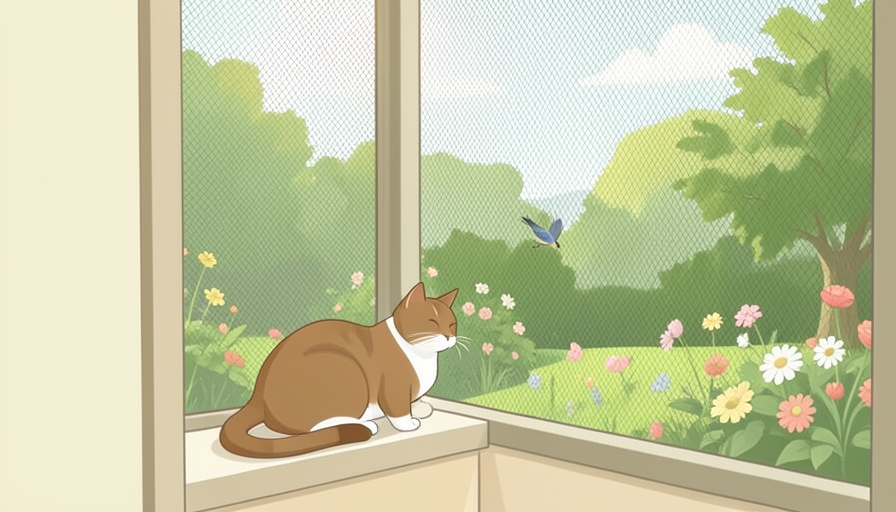
- Build or buy a catio. An enclosed patio or window box lets a cat enjoy fresh air and sights without roaming, a solution detailed in guides like this rundown of outdoor protection options.
- Supervise or leash-train. Many cats adapt to a harness and leash for monitored time outside.
- Secure the yard. Cat-proof fencing and rollers can keep a cat in your own space rather than the neighborhood.
Why ID and Microchipping Matter
Whatever you decide about outdoor access, identification is the safety net that works when everything else fails. A microchip is a tiny implant that carries an ID number linked to your contact details, so a vet or shelter can scan a found cat and reunite it with you.
The catch that trips up many owners is registration. A chip only helps if the details attached to it are current, so update your address and phone number whenever they change. Pair the chip with a breakaway collar and tag, and even an indoor cat that slips out has a real chance of coming home.
This article is general pet-care information, not veterinary advice. If your cat is injured or you have concerns about its health or safety, contact a veterinarian. If you witness deliberate cruelty to an animal, report it to your local animal-welfare authority or the police.
Frequently Asked Questions
Is it safer to keep cats indoors?
Generally yes. Indoor cats avoid traffic, deliberate harm, predators, and many diseases, and they tend to live longer on average. With enough enrichment, such as climbing spaces, toys, and window perches, most cats stay content inside.
What is a catio?
A catio is an enclosed outdoor space, from a small window box to a full patio enclosure, that lets a cat experience fresh air, sunshine, and sights safely. It offers much of the stimulation of outdoors without the roaming risks.
Are air and pellet guns really a danger to cats?
Yes. Air and pellet guns can cause serious injuries to cats, including deep wounds and eye loss, and animal-welfare groups receive many reports of such attacks each year. Cats are frequent targets because they roam alone and unprotected.
Should indoor cats be microchipped too?
Yes. Indoor cats can still slip out through an open door or window, and a microchip greatly improves the odds of being reunited if they get lost. Keep the registered contact details current for the chip to work.
How can I let my cat outside more safely?
Options include a secure catio, harness-and-leash walks, or cat-proof fencing that keeps your cat in your own yard. Supervising outdoor time and ensuring your cat is microchipped and collared all reduce the risks.
The Bottom Line
The shaved-cat photo was funny, and then it was a reminder: the outdoors is not a neutral place for a cat, and the threats range from cars to cruelty. You cannot control every danger, but you can shrink the odds with a catio, some supervision, and an up-to-date microchip. A little planning turns a risky roam into a safer life. For more on pets and home life, browse YouGottaRead’s Home & Garden section, including our gentle guide to caring for a pet near the end.


