


The ten spec lines that decide whether a backup battery actually runs your house, translated out of marketing-speak.
Backup battery spec sheets are written to sell, not to help you compare. Two units can advertise the same headline number and behave completely differently in an outage, which is why the most common question buyers ask is how to choose the right one without overpaying for capacity they will never use. Knowing the home battery backup specs to compare turns a wall of watts, watt-hours, and cycle counts into a short, decidable checklist. Here are the ten lines that matter, and what each one really tells you.
Key Takeaways
The specs that decide a purchase are usable capacity (not rated), continuous output, and surge watts for motors, plus 240V support if you want a well pump or dryer. After that, chemistry and cycle life separate a battery that lasts a decade from one that fades in a few years: insist on LFP. Switchover time matters for sensitive electronics, and how the unit ties into your home, through a transfer switch or a plug, decides what it can actually power.
Table of Contents
1. Usable capacity, not rated capacity
The big kilowatt-hour number on the box is the rated capacity, but you never get all of it. What you can actually draw is the usable capacity, and it is the honest figure for how long the battery runs your loads. The good news for 2026 buyers is that modern lithium iron phosphate systems make about 95 to 100 percent of their rated capacity available, far better than older chemistries. Always compare the usable kWh, and if a spec sheet only lists rated capacity, treat that as a small red flag.


2. Continuous output in watts
Capacity tells you how long; continuous output tells you how much at once. This wattage is the ceiling on what you can run simultaneously, so add up the running watts of everything you need on at the same time, a fridge plus lights plus a laptop, and make sure it fits under this number with room to spare. A big battery with a small inverter will trip the moment you turn on one too many things.
3. Surge or peak watts
This is the spec people overlook and then regret. Anything with a motor, a fridge compressor, a well pump, a sump pump, draws three to seven times its running wattage for a split second when it starts. If the surge rating is too low, the battery cannot start that appliance at all, no matter how much capacity it has. Check the surge watts against the startup draw of your most demanding motor, not its running draw.
4. 120V or 240V output
Most portable units only output 120V, which runs standard outlets fine. But a well pump, an electric dryer, a range, or your whole electrical panel needs 240V split-phase power, and only some batteries provide it. If you want true whole-home coverage, confirm the unit does 240V split-phase output, since a 120V-only model simply cannot power those circuits.
5. Battery chemistry and cycle life
Chemistry is the difference between a battery that lasts a decade and one that fades fast. For backup power bought in 2026, lithium iron phosphate, labeled LFP or LiFePO4, is the minimum standard. It delivers 3,000 or more charge cycles, compared with roughly 500 to 800 for the older NMC packs still found in cheaper units. Cycle life tells you how many full charge-and-discharge rounds the battery survives before capacity drops, so more cycles means more years of service.
6. Switchover time and UPS mode
If you will run a desktop, a home server, a router, or a CPAP through the battery, switchover time matters. It is how fast the unit takes over when grid power drops, measured in milliseconds. A true UPS-grade switchover under about 20 milliseconds keeps sensitive electronics from rebooting or losing data during the cutover. For a fridge or lights it is irrelevant, so only pay for fast switchover if you actually need it.
7. Recharge speed and solar input
A battery is only useful if you can refill it, and how fast depends on two inputs: wall charging and solar. For a multi-day outage, solar input in watts is the spec that buys you independence, letting you top up during the day instead of draining toward zero. Check both the maximum AC recharge rate and the maximum solar input, and whether the unit has a built-in charge controller so you can add panels without extra gear.
8. Expandability
Your needs will grow, and buying one huge unit up front is often the wrong call. Many 2026 systems are modular, letting you start with a base unit and clip on extra battery modules later as your budget or needs expand. Compare the maximum total capacity a system can reach rather than only the starting size, so you are not boxed in a year from now.
9. How it connects to your home

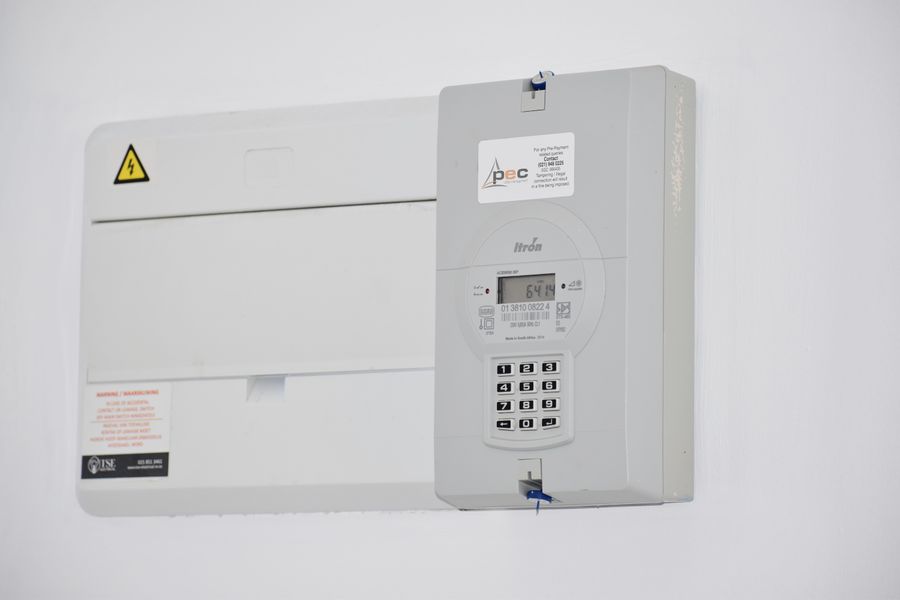
This is where “portable power station” and “whole-home battery” part ways. A portable unit powers whatever you plug into it, while whole-home coverage needs a transfer switch wired to your electrical panel, ideally by a licensed electrician. Ask whether switching is automatic or manual, and whether the system does load management to avoid overloading during a surge. The connection method decides whether the battery runs an extension cord or your actual house.
10. Warranty and temperature range
Two easy-to-miss lines round out the sheet. The warranty should be stated in both years and cycles or throughput, and a confident maker backs an LFP unit for a long span. The operating temperature range matters if the battery will live in a garage, a shed, or a cold basement, because performance and lifespan drop outside the rated window. A battery that cannot handle your climate is the wrong battery, whatever else the spec sheet says.
How We Chose These
We built this list around the spec lines that change a real buying decision, not every number a manufacturer prints. The order roughly follows how most people should think it through: figure out how much power and for how long, confirm it can start your motors and reach 240V if needed, then weigh longevity, electronics protection, recharging, and how it ties into your home. The goal is a checklist you can hold up against any two spec sheets and actually pick.
The Bottom Line
Do not shop backup batteries by the headline capacity number, because it hides the specs that decide whether the thing works when the grid fails. Start with usable capacity, continuous output, and surge watts, add 240V if you need whole-home circuits, and insist on LFP chemistry for cycle life. Match switchover, solar input, and the connection method to how you will actually use it, and buy modular so you can grow. Nail those and you will not overpay or come up short in the next outage. For more home guidance, see YouGottaRead’s look at what appliance warranties really cover and the Home & Garden section.
Frequently Asked Questions
What home battery backup specs matter most?
Usable capacity, continuous output, and surge watts are the core three, since they decide how long the battery runs, how much it powers at once, and whether it can start motors. Add 240V support for whole-home circuits and LFP chemistry for cycle life, and you have covered the specs that make or break a purchase.
What is the difference between usable and rated capacity?
Rated capacity is the total the battery holds; usable capacity is what you can actually draw. Modern LFP systems make about 95 to 100 percent of rated capacity usable, but older or cheaper units reserve more, so always compare the usable kilowatt-hours rather than the headline figure.
Why do surge watts matter for backup power?
Motors in fridges, well pumps, and sump pumps briefly draw three to seven times their running wattage at startup. If a battery’s surge rating is below that spike, it cannot start the appliance even if it has plenty of capacity. Match surge watts to your highest motor startup draw.
Do I need a 240V battery for home backup?
Only if you want to power 240V circuits like a well pump, electric dryer, range, or your whole panel. Standard outlets run on 120V, which most portable units provide. For essential-loads-only backup, 120V is often enough; for whole-home coverage, you need 240V split-phase output and usually a transfer switch.
Is LFP really better than other battery chemistries?
For home backup, yes. Lithium iron phosphate lasts far longer, with 3,000 or more cycles versus roughly 500 to 800 for older NMC packs, and it runs cooler and safer. In 2026 it is the sensible minimum for anything you expect to rely on for years.


