


The questions that decide whether your new utility rebate actually lands, or slips away on a technicality.
When a utility rolls out a new home charging rebate, the money is real but the fine print is strict, and the wrong charger or a skipped step can disqualify the whole thing. Rebate programs increasingly demand a specific kind of charger, a certain panel setup, and paperwork filed in the right order, which means your installer’s answers matter as much as their price. With the federal 30C home charger tax credit gone as of mid-2026, utility rebates are where the savings live now. Ask these EV charger installer questions before you book the job.
What To Know
Three things decide most utility EV charger rebates: whether the charger is on the eligible list, usually an ENERGY STAR certified, networked model; whether your electrical panel can handle it, often meaning 200-amp service; and whether you completed any required pre-approval before buying. A good installer knows your utility’s program and handles the permit and paperwork. Confirm all of that up front, because the federal tax credit is no longer a fallback if the rebate falls through.


Table of Contents
1. Is this exact charger on the utility’s eligible list?
Rebates apply to specific approved models, not chargers in general. Ask your installer to confirm the precise make and model they plan to install appears on your utility’s current qualified-hardware list, because a charger that is close but not listed earns nothing. Get the model number in writing and cross-check it yourself against the program page before you agree to anything.
2. Is it ENERGY STAR certified and networked?
Most utility rebates now require a smart charger, not a basic one. The typical eligible unit is an ENERGY STAR certified Level 2 charger with Wi-Fi or cellular connectivity, so the utility can communicate with it. If your installer suggests a cheaper unmanaged charger, confirm it still qualifies, because the connectivity requirement is exactly what many programs check.
3. Will it enroll in the managed-charging program?
The connectivity is not decoration; it exists so you can join a managed-charging or demand-response program. Many rebates, and their bonus enrollment incentives, require you to let the utility shift your charging to off-peak times. Ask whether the charger and installer support enrolling you, what control the utility gets, and whether you can opt out of a session if you need a full charge in a hurry.
4. Do I need pre-approval before buying or installing?
This is the step that most often voids an otherwise valid rebate. Some programs require you to apply and get approved before you purchase the charger or start the work, and doing it in the wrong order disqualifies you even with the right equipment. Ask your installer to confirm the sequence, and do not let anyone install first and “apply after” unless the program explicitly allows it.
5. Can my panel handle it, or do I need an upgrade?

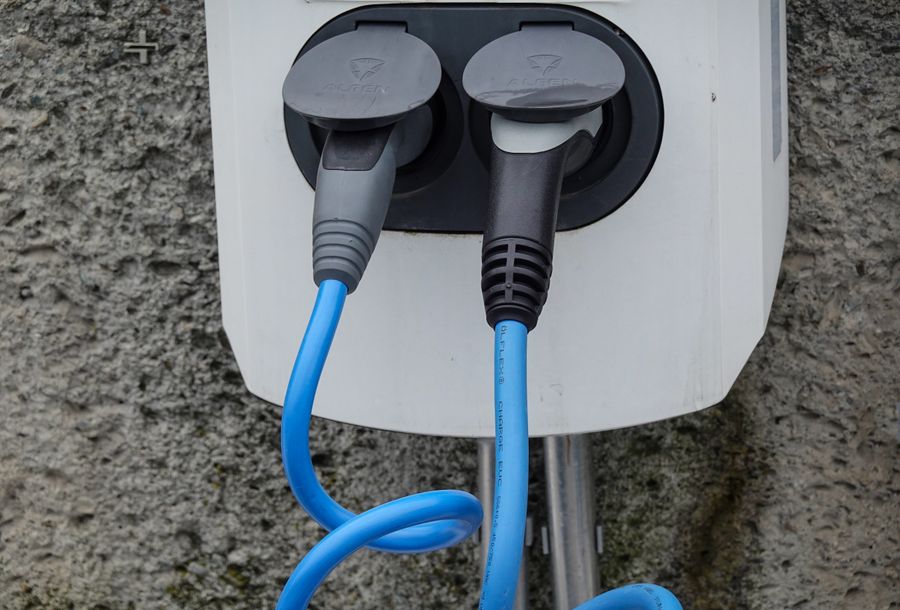
A Level 2 charger is a big new load, and your panel may not have room. Many programs and installs assume 200-amp service, and an older 100-amp panel can require an upgrade or a load-management device that shares capacity instead. Ask the installer to assess your panel and available capacity before quoting, since a surprise panel upgrade can cost more than the charger and change whether the project makes sense.
6. Are you licensed, and will you pull the permit?
EV charger installs need a permit and an inspection in most places, and some rebates require a licensed or utility-approved electrician. Confirm your installer is properly licensed, that they will pull the permit rather than leave it to you, and that the work will be inspected. A common horror story is an installer who promises to permit the job, then disappears and leaves the homeowner to sort it out, so get the permit commitment in writing.
7. What is the full cost breakdown, and what does the rebate cover?
Ask for an itemized quote separating the charger, labor, any panel work, and the permit, then map each line to what the rebate actually reimburses. Some rebates cover only the charger, others include installation up to a cap, and panel upgrades are often excluded. Knowing the breakdown tells you your true out-of-pocket cost after the rebate, not the optimistic headline number.
8. Do I need a special rate or a second meter?
Some utilities tie the rebate or the managed-charging incentive to enrolling in an EV time-of-use rate, and a few offer or require a separate meter for charging. These can save money if most of your charging is overnight, but they change your billing, so ask what rate or metering the program expects and whether it fits how you actually drive and charge.
9. Who files the rebate paperwork, and what is needed?
Clarify who owns the application, you or the installer, before the job starts. Many good installers handle the submission, but you should know what documentation the program needs, such as the itemized invoice, the charger’s model and serial numbers, proof of the electrical work, and before-and-after photos. Agree on who gathers each item so nothing falls through the cracks after installation.
10. What is the timeline and are there deadlines or caps?
Rebate budgets run out. Ask about the realistic timeline for the permit, inspection, and rebate processing, and whether the program has a funding cap or an application deadline that could close before your install finishes. If the utility just added the rebate, demand may be high, so knowing the timeline helps you avoid missing the window on a program you qualified for.
How We Chose These
We built this list around the questions that determine whether a utility rebate is approved and whether the install is done safely and to code, rather than a generic overview of home charging. The order follows how the project unfolds, from confirming eligible hardware and pre-approval to panel capacity, permits, costs, and final paperwork. Each question targets a real, common way homeowners lose a rebate or get an unexpected bill.
This article is general information, not tax or financial advice. Utility rebate programs, eligibility, and funding change often and vary by location, so confirm current details with your specific utility and a licensed electrician before you buy or install.
The Bottom Line
A new utility rebate is worth real money, but only if the charger, the panel, and the paperwork all line up. Before you book, confirm the exact model is on the eligible list, that it is an ENERGY STAR networked unit, that you have completed any required pre-approval, and that your installer will handle the permit. With the federal home charger credit gone for the second half of 2026, the utility program is the savings, so treat its rules as seriously as the wiring. For related reading, browse YouGottaRead’s Autos section and the Home & Garden section for home upgrade guidance.
Frequently Asked Questions
What should I ask an EV charger installer about utility rebates?
Confirm the exact charger model is on the utility’s eligible list, that it is an ENERGY STAR networked unit, whether pre-approval is required before purchase, whether your panel has capacity, who pulls the permit, and who files the rebate paperwork. Also ask about the timeline and any funding caps.
Do utility EV charger rebates require a specific charger?
Usually yes. Most programs require an ENERGY STAR certified Level 2 charger with Wi-Fi or cellular connectivity so it can join a managed-charging program. A basic unmanaged charger often does not qualify, so verify the exact model against your utility’s current eligible-hardware list before buying.
Will I need an electrical panel upgrade to install a home charger?
Possibly. A Level 2 charger adds a large load, and many installs assume 200-amp service, so an older 100-amp panel may need an upgrade or a load-management device. Have the installer assess your panel before quoting, since a panel upgrade can cost more than the charger itself and is often not covered by the rebate.
Is there still a federal tax credit for a home EV charger?
No. The federal Section 30C credit for residential EV charging equipment expired on June 30, 2026, and is no longer available to homeowners. Savings in the second half of 2026 come from utility and state rebate programs, which vary by location, so check with your local utility.
Can installing before applying void my rebate?
Often, yes. Some programs require pre-approval before you purchase or install the charger, and doing the work first can disqualify you even with a qualifying unit. Always confirm the required sequence with your utility and installer, and get approval in writing before scheduling the job.


