


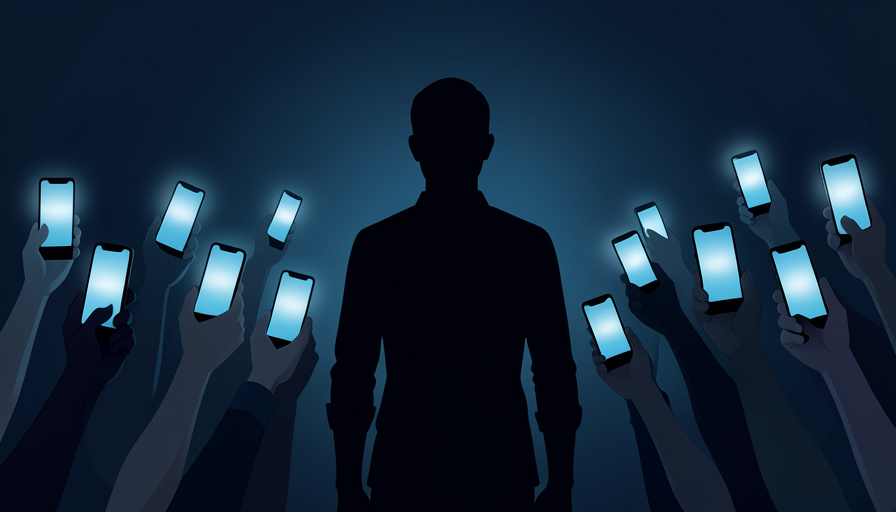
One of basketball’s biggest stars admitted something most famous people only think: he is tired of being approached, and he has stopped pretending otherwise. The honesty was refreshing to some and irritating to others, which is exactly why it took off.
When Nikola Jokić said he wants privacy in public and is becoming, in his own word, ruder to people who approach him, it landed as more than a grumpy quote. It reopened a familiar argument about how much of themselves famous athletes owe to strangers, and whether a photo on demand is a fair price of success. The reaction split quickly between sympathy and annoyance, and both camps were reacting to the same short set of comments.
So here is what he actually said, the part people keep missing, and why it struck such a nerve.
Quick Answer
Speaking on a podcast, Nikola Jokić said fame has become tiring and that he now often declines photos with fans during his personal time, admitting he can come across as ruder after 11 or 12 years of constant requests. His point was less about being recognized and more about every interaction turning into a photo demand. Fans split between defending his right to privacy and arguing that public access comes with the job.
What Jokić Actually Said
The comments came in a relaxed podcast conversation, not a press-conference outburst, which matters to how you read them. Jokić was candid about the toll of constant attention, saying that popularity bothers him more and more and that, as he put it, “I’m getting ruder to people who approach me. Honestly, it’s tiring.”
He framed it as a boundary he has earned, noting that after more than a decade in the spotlight, “enough is enough.” He also acknowledged how it might read, admitting more than once that he knew he could sound rude, and saying plainly that his personal time is his own. Outlets across the NBA world picked it up fast, including Yahoo Sports, because the bluntness was unusual for a player known for being low-key.
The Part People Keep Missing
Here is the nuance that gets lost in the outrage cycle. Jokić did not say he resents being recognized or that he dislikes his fans. His frustration is narrower and more specific: the way nearly every encounter now defaults to a request for a photo rather than a moment of actual human contact.
He drew that line himself, saying it is better for someone to come up and simply tell him something than to immediately ask to take a picture, a distinction reported by outlets like Yardbarker. Read that way, his complaint is less about fame and more about how phones have turned a friendly hello into a transaction, where the goal is proof of the meeting rather than the meeting itself.
Why Fans Are Divided
The reaction broke along a fault line that shows up whenever a star talks like this. One side sees a person setting a healthy boundary and points out that no amount of money or success erases the right to a private moment. Even legends, the argument goes, deserve peace on their own time.
The other side pushes back that public access is part of the deal. Fans fund the salaries, buy the jerseys, and make the fame possible, so a quick photo feels like a small, fair ask. To that camp, a superstar complaining about attention can sound tone-deaf. Neither position is unreasonable, which is why the debate keeps resurfacing rather than resolving.
The Bigger Picture: Fame in the Phone Era
Jokić’s comments hit a nerve because they describe something bigger than one player. Being famous today is different from being famous twenty years ago. Every stranger carries a camera, every public moment can become content, and the sheer volume of requests scales in a way an autograph era never did.
That shift changes the math for public figures. A hundred quick photos a day is not a hundred warm moments, it is a job with no clock. Athletes, actors, and musicians have increasingly spoken about the strain of that constant availability, and the parasocial sense that strangers are owed access to them. Jokić just said it more bluntly than most.
What It Says About Modern Stardom
Whatever you think of his tone, the episode is a useful window into where celebrity culture sits now. The old bargain, fame in exchange for total public availability, is being renegotiated in real time by the people living it.
Some handle it with practiced politeness, others with a publicist and a rope line, and a few, like Jokić, just say the quiet part out loud. His honesty will not settle the debate, but it does put a clear question on the table: in an age when any moment can be filmed, how much of a person does celebrity actually buy? That is worth chewing on, whichever side you land on.
Frequently Asked Questions
What did Nikola Jokić say about fans?
On a podcast, he said he has grown tired of constant attention and is becoming ruder to people who approach him, often declining photos during his personal time. He stressed it had built up over 11 or 12 years and that his private time is his own.
Does Jokić hate his fans?
He did not say that. His frustration was specifically about interactions defaulting to photo requests rather than genuine conversation. He said he would rather someone simply talk to him than immediately ask for a picture, which points to fatigue with the format, not the fans.
Why are people divided over his comments?
One side defends his right to privacy and downtime, arguing success does not cancel basic boundaries. The other feels public access, including quick photos, is part of a highly paid athlete’s job. Both views are common, so the debate keeps returning.
Is this a common issue for famous athletes?
Increasingly, yes. Smartphones mean every public moment can become a photo or a video, multiplying requests far beyond the autograph era. Many athletes and celebrities have described the resulting constant availability as draining.
Where did Jokić make these comments?
He made them in a relaxed podcast conversation rather than a formal press setting, which is part of why they came across as candid. NBA outlets then widely reported and debated the remarks.
The Bottom Line
Jokić’s admission was blunt, but the frustration under it is real and increasingly common: modern fame turns ordinary moments into photo ops, and even easygoing stars reach a limit. Whether you read him as setting a fair boundary or sounding ungrateful, the underlying question about privacy in the phone era is not going away. For more from the world of basketball and beyond, browse YouGottaRead’s Sports section, including our coverage of a standout newcomer’s dream start.


