


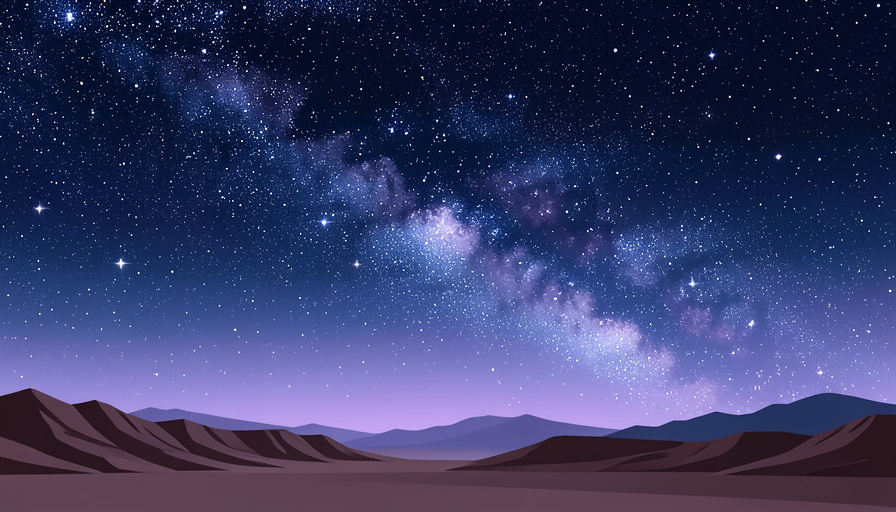
A single frame of the Milky Way blazing over an empty desert can make it look like you just stepped outside and pointed a camera up. The photo that keeps going viral hides the part nobody posts: the long, expensive, high-altitude journey it took to stand under that sky.
When a creator broke down the multi-flight trip behind one flawless Atacama shot, it kicked off a familiar reality check about the Atacama Milky Way photo trip cost and what these dream images actually require. The short version is that the desert delivers, but reaching it is the real work. This is an honest look at what such a trip involves, from the flights to the timing to the money, so the fantasy and the logistics line up before you book.
Good news up front: once you are there, the stargazing itself is one of the cheaper parts.
At a Glance
Photographing the Milky Way in Chile’s Atacama Desert usually means flying to Santiago, connecting to Calama, then transferring about an hour to San Pedro de Atacama at roughly 2,400 meters. The internal flight often runs $70 to $140 each way, while stargazing and astrophotography tours are cheap at around $30 to $90. Budget about four days and $80 to $150 per day, and aim for the May to September Milky Way season around a new moon.
Why the Atacama, Specifically
There is a reason this particular desert shows up again and again. The Atacama is the driest nonpolar desert on Earth, with extremely low humidity, high altitude, and very little light pollution, which together produce some of the clearest night skies anywhere.
It is no accident that major observatories, including the ALMA array and facilities on nearby peaks, are built in this region. When photographers chase these skies, they are going to the same place professional astronomers chose for the same reasons. The payoff is a Milky Way that looks almost unreal, which is exactly why the images travel so far online.
The Getting-There Reality
This is the part the viral photo leaves out. San Pedro de Atacama is remote, and for most international visitors the trip is a chain, not a single hop. You typically fly into Santiago, take a roughly two-hour domestic flight to Calama, then cover the last stretch by road, about an hour, into San Pedro itself.
So before you factor in your home-country flight to Chile, there is already an internal flight and a ground transfer stacked on top. That is what the creator meant by a multi-flight trip. The remoteness is the price of the dark skies, and planning routes and connections is a real part of the effort, as travel guides like this Atacama planning guide lay out.
What It Actually Costs
Here is where the numbers surprise people, because the expensive part is the travel, not the astronomy. Broken down:
- The Santiago to Calama flight commonly runs about $70 to $140 one way when booked ahead, with holiday peaks going higher.
- The Calama to San Pedro transfer is cheap, roughly $16 to $27 for a shared shuttle.
- Stargazing and astrophotography tours are the bargain, often around $30 to $90 for a two to three hour session with telescopes, guides, and sometimes a professional photo of you under the stars.
- Daily budget lands around $80 to $150 per person including tours and lodging, over a recommended stay of at least four days.
Add your international airfare to Chile and the trip is a genuine investment, but the on-the-ground astronomy is modestly priced. You are paying to get to the sky, not to look at it.
Timing Is Everything
Even a perfect location fails on the wrong night, which is why timing decides whether you get the shot. For the bright galactic core of the Milky Way, the season runs roughly May through September, with May to August often cited as the clearest, driest stretch. Guides such as this seasonal breakdown help pin down the window.
The other rule is the moon. Plan around a new moon, because even a partial moon washes out faint detail. Line up the season, a moonless window, and clear weather, and the Atacama does the rest. Miss the timing and the same spot can look ordinary.
What Else to Plan For
A few practical realities separate a smooth trip from a rough one.
- Altitude. San Pedro sits around 2,400 meters, and some tours go higher, so give yourself time to acclimatize and take it easy on arrival.
- Cold nights. Desert temperatures drop hard after dark, so warm layers matter even if the days are hot.
- Gear or guides. Serious astrophotography needs a camera that handles long exposures and a sturdy tripod, but tour operators can also capture the image for you if you would rather just witness it.
- Book ahead. Flights and the best tours fill up in peak Milky Way season, so lock them in early.
This article is general travel information, not medical or financial advice. High-altitude travel affects people differently, so consider your own health and check current prices, flight schedules, and entry requirements before booking.
Frequently Asked Questions
How much does an Atacama stargazing or astrophotography trip cost?
The tours themselves are inexpensive, often around $30 to $90 for a couple of hours. The bigger costs are travel: an internal Santiago to Calama flight of roughly $70 to $140 each way, plus your international airfare and about $80 to $150 per day on the ground.
How do you get to San Pedro de Atacama?
Most travelers fly to Santiago, then take a two-hour domestic flight to Calama, and finish with about an hour by road to San Pedro. It is a remote destination, which is part of why the skies are so dark and clear.
When is the best time for Milky Way photography in the Atacama?
Roughly May through September, when the bright galactic core is high in the sky, with May to August offering the driest, clearest conditions. Whatever month you choose, plan around a new moon so moonlight does not wash out the stars.
Do you need special gear, or can a tour handle it?
For your own shots you want a camera capable of long exposures and a solid tripod. If you prefer, many astrophotography tours include a professional image of you under the Milky Way, so you can enjoy the sky without hauling equipment.
Is the altitude a problem in San Pedro de Atacama?
It can be. San Pedro is around 2,400 meters and some viewing sites are higher, so altitude can affect you. Arriving with time to acclimatize, resting on the first day, and staying hydrated all help.
The Bottom Line
The Atacama earns its reputation, but the viral photo quietly skips the flights, the transfers, the altitude, and the careful timing that made it possible. Treat the trip as what it is, a remote adventure where getting there is the expense and the stargazing is the affordable reward, and you can come home with your own version of that unreal sky. For more on planning big trips, browse YouGottaRead’s Travel section, and our Tech coverage of the gear behind great photography.


